




What Does True Wealth Really Look Like?
Is having a fortune the same as being truly rich?
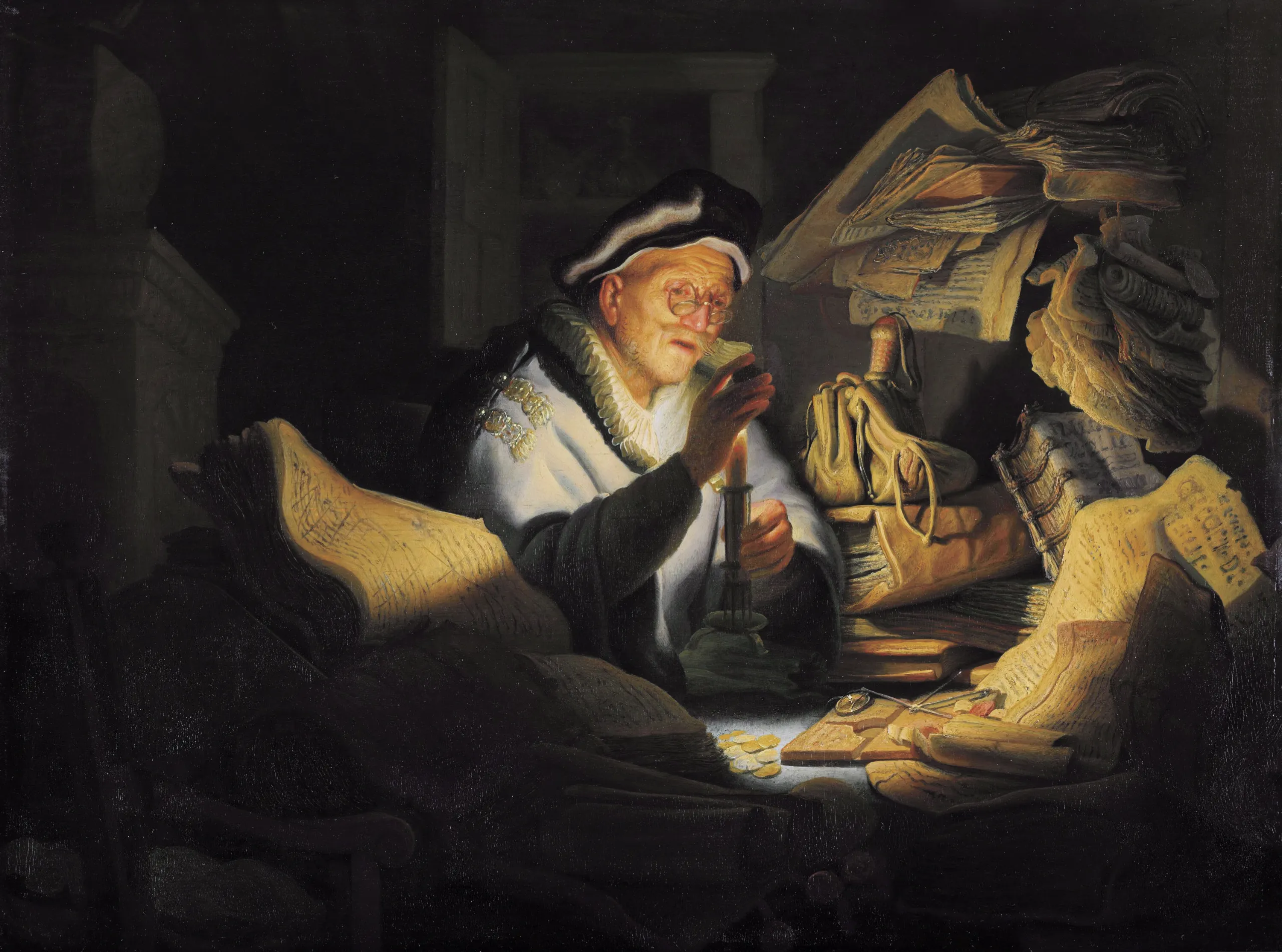
Rembrandt knew both the highs of luxury and the lows of bankruptcy. One of his most powerful paintings, The Parable of the Rich Fool, now in the Berlin Museum, captures a timeless lesson Jesus taught: “life does not consist in the abundance of things.”
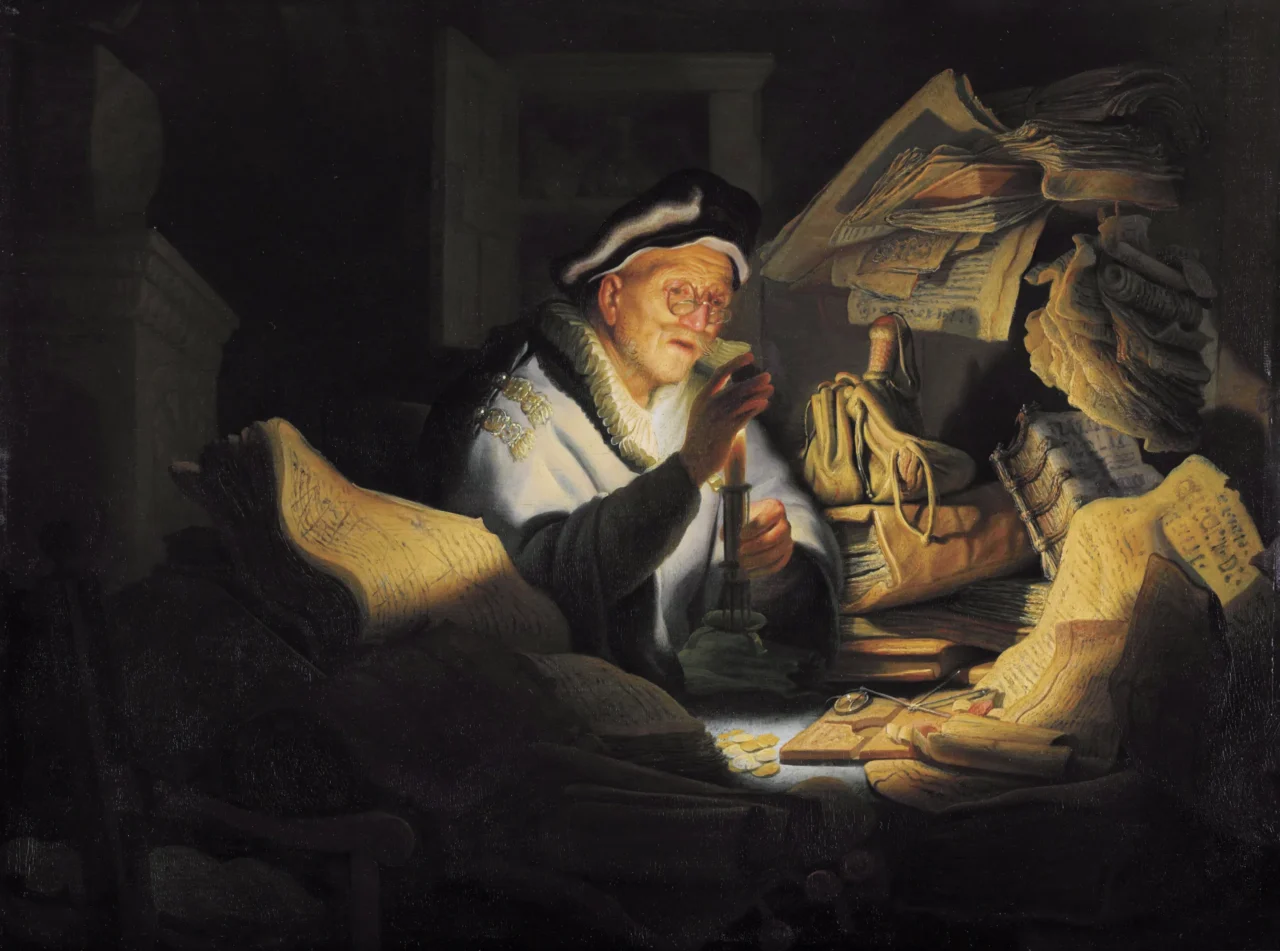
In the painting, a wealthy man studies a gold coin by candlelight. Papers and Hebrew books pile up around him—symbols of pride in Rembrandt’s day. Scales and scattered coins cover the desk. Everything in the scene shows a man utterly consumed by his wealth.
Jesus told a story about such a man who had an enormous harvest but selfishly built bigger barns to hoard it all. When God came for his life that very night, the man’s riches meant nothing.
Jesus warned: “So is the one who stores up treasure for himself and is not rich toward God.”
What does it mean to be rich toward God? The Bible answers: “Command them to do good, to be rich in good deeds, and to be generous and willing to share.” Saint Augustine put it simply: “The bellies of the poor were much safer storerooms than the rich man’s barns.”
So, what’s the message? Be content. Giving matters far more than gathering. Money won’t follow us after death, but living for God and helping others? That’s true, lasting wealth.
| Artist | Rembrandt |
| Title | The Parable of the Rich Fool |
| Production | 1627 |
| Material | Oil on Oak Wood |
| Dimensions | 43 x 32 cm |
| Exhibit Location | Gemäldegalerie (Staatliche Museen zu Berlin) |
| Accession Number | 828D |
| Credit Line | |
| Image Credit | Wikimedia Commons |
 Written by Dr. Neale Schofield

 Discover life and faith through art — free email reflections from Dr. Neale Schofield, straight to your inbox.
Subscribe for free
Discover life and faith through art — free email reflections from Dr. Neale Schofield, straight to your inbox.
Subscribe for free
More from the Gallery
What Does True Wealth Really Look Like?