





The Unfinished Tower: What Happens When We Try to Save Ourselves?
Can human ambition ever replace the need for God’s grace?
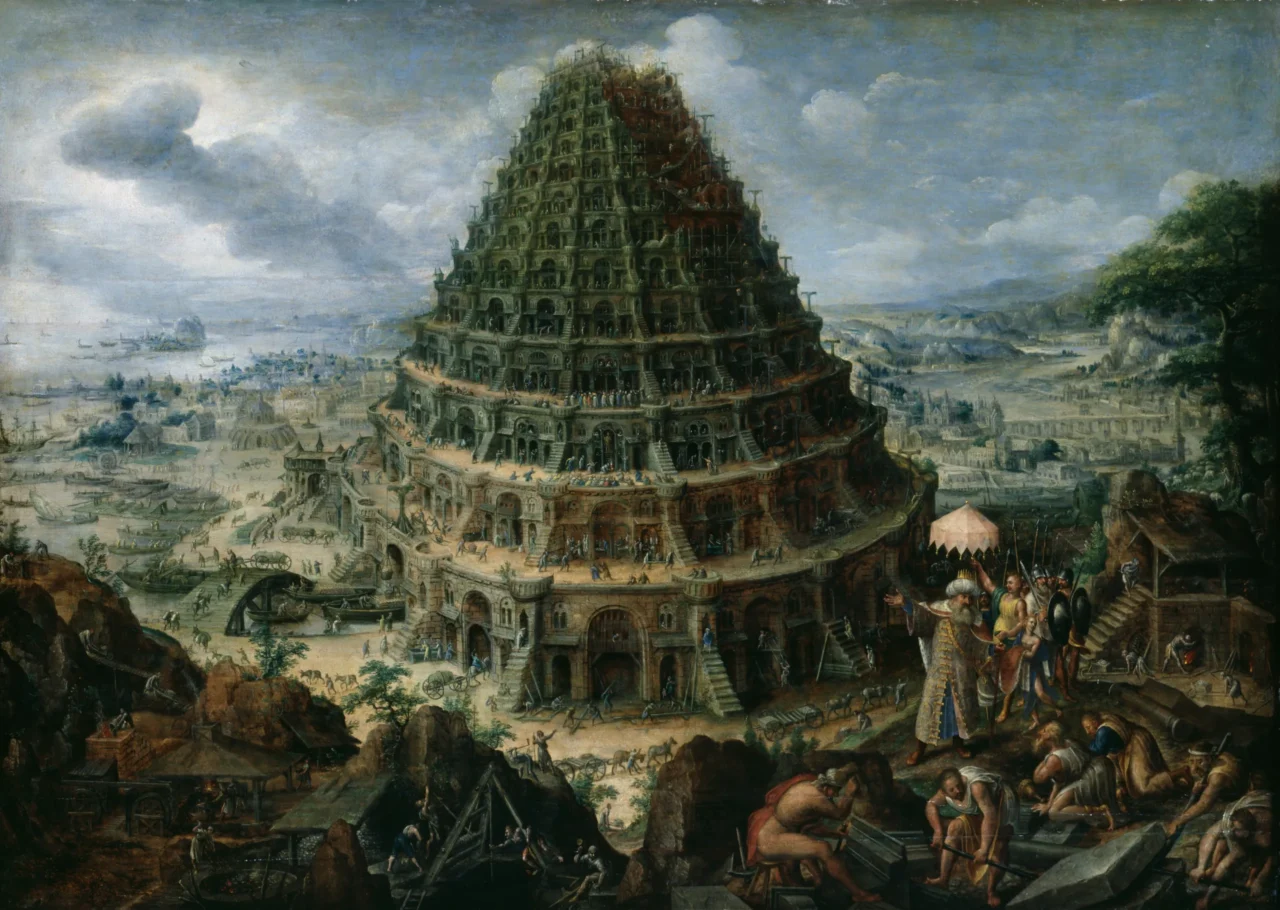
One of the most enduring subjects in Western art is the Tower of Babel. Depicted by hundreds of artists across centuries, it symbolizes humanity’s bold, yet misguided, pursuit of self-salvation. Among the most prolific interpreters of this biblical story were the brothers Lucas and Marten van Valckenborch. Marten’s version, painted around the year 1600, offers a particularly compelling window into the spiritual lessons behind this famous narrative.
In the painting, the descendants of Noah have settled in the city of Babel. Fearing another flood, they decide to build a colossal tower—layer upon layer—intended to reach the heavens themselves. It was an ambitious, even defiant, act: a human attempt to become untouchable, immune to divine judgment, and self-sufficient in salvation.
At the front of the canvas stands King Nimrod, with worshipers kneeling before him. The irony is striking. Nimrod, the great-grandson of Noah, surely knew the story of God’s mercy and the covenant sealed by the rainbow. But rather than trust in God’s protection, Nimrod placed his hope in human power. The tower was not merely architectural—it was ideological. It stood for pride, independence, and resistance.
But God was watching. And He intervened.
The Bible tells us that God confused their language so that no one could understand one another. Requests for bricks turned into nonsense. Instructions were lost in translation. The grand construction project descended into chaos. The people dispersed. The tower remained unfinished.
The message is clear. Human effort—even at its most determined—cannot build a path to heaven. The people of Babel believed their own hands could secure their future. But salvation doesn’t come from strength, success, or clever strategy. It comes from trust.
Many of us still make the same mistake. We try to earn our way to heaven by doing good, working hard, or building a moral résumé. But Scripture tells us plainly:
“For it is by grace you have been saved, through faith—and this not from yourselves, it is the gift of God—not by works, so that no one can boast.” — Ephesians 2:8–9
When we look at the Tower of Babel, we don’t just see ancient ruins—we see the limits of human pride and the futility of self-salvation. But we also see a choice. Will we trust in our own hands? Or will we trust in God?
The lesson of Babel is this: human ambition cannot replace divine grace. We cannot save ourselves—but we can surrender to the One who can.
| Artist | Marten van Valckenborch |
| Title | The Tower of Babel |
| Production | 1595 |
| Material | Oil on Panel |
| Dimensions | 105 cm (width), 75 cm (height) |
| Exhibit Location | Staatliche Kunstsammlungen Dresden |
| Accession Number | AM-832-PS01 |
| Credit Line | |
| Image Credit | Wikimedia Commons |
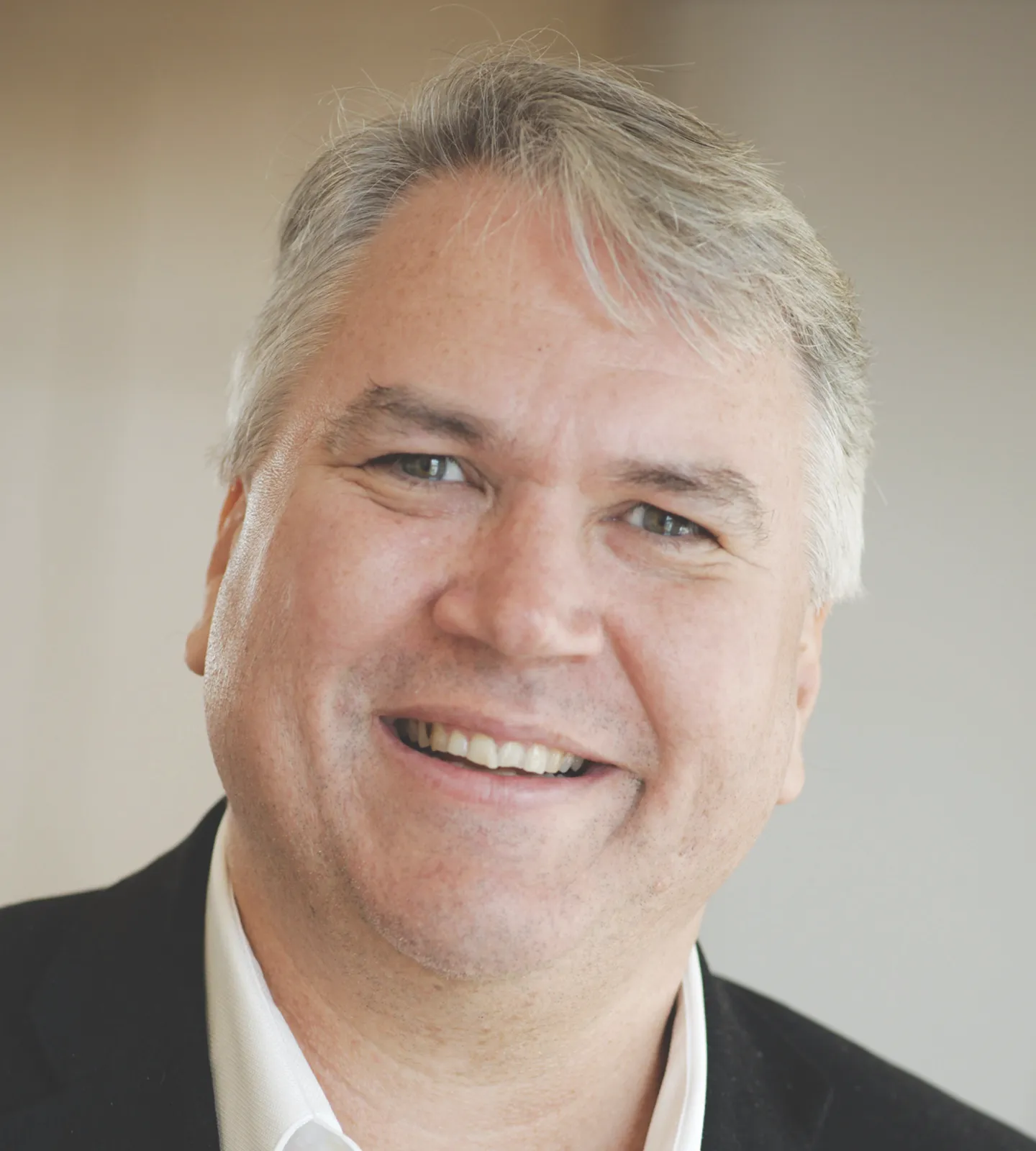 Written by Dr. Neale Schofield

 Discover life and faith through art — free email reflections from Dr. Neale Schofield, straight to your inbox.
Subscribe for free
Discover life and faith through art — free email reflections from Dr. Neale Schofield, straight to your inbox.
Subscribe for free
More from the Gallery
The Unfinished Tower: What Happens When We Try to Save Ourselves?